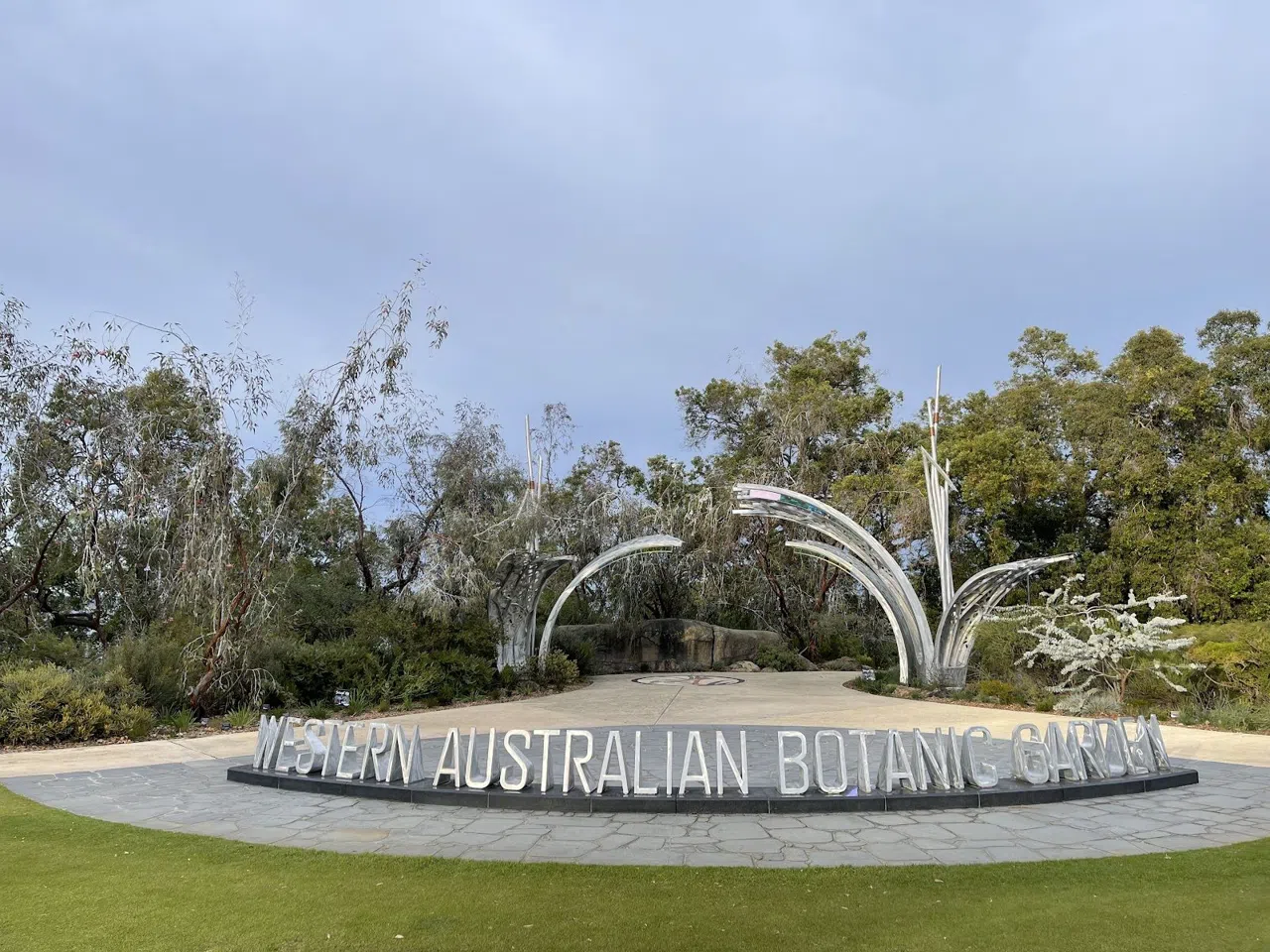

Stand at the edge of Kings Park in July and you can feel it before anyone explains it: cold air pooling under the marri trees, the ground soft from weeks of rain, banksias closing up while something else quietly gets going underneath. Perth's tourism brochures still run on four seasons — summer, autumn, winter, spring — but Whadjuk Noongar country never did. It runs on six, and once you know them the same walking trail tells a genuinely different story in April than it does in August. This is a route through that calendar: not a single day out, but a way of returning to the same Kings Park paths, the same wetlands and jarrah forest, at different points in the year and understanding why they look the way they do.
For context on where to sleep and what else is worth doing in the city around these trips, the Perth guide covers the rest of the itinerary — this piece stays narrowly on the six-season reading of the landscape.
The Six Seasons, in Brief
The Noongar calendar divides the year into six seasons rather than four, and — unlike the fixed Gregorian dates — each one traditionally starts and ends when the country itself signals the change, not on a set calendar day. In practice, most Perth organisations now peg them to roughly two-month blocks so visitors can plan around them:
- Birak (December–January) — the first summer. Hot, dry easterly mornings, cooling sea breezes in the afternoon, and the traditional burning season, when controlled cool fires were once lit to manage the bush.
- Bunuru (February–March) — the second summer and the hottest, driest stretch of the year. Little to no rain; offshore fishing was traditionally at its best.
- Djeran (April–May) — the season of adjustment. Mornings turn cool and dewy, easterly winds ease, and the red flowering banksias — one of the surest seasonal markers in the Perth bush — start to bloom.
- Makuru (June–July) — the coldest, wettest season, when cold fronts roll in off the Indian Ocean and wetlands, creeks and the Perth Hills' waterfalls fill for the only time all year.
- Djilba (August–September) — the first spring, a genuinely transitional season of cold, clear nights and warming days, when the first wattle and orchids appear.
- Kambarang (October–November) — the second spring, when wildflowers peak across the region and animals raise their young before the dry summer returns.
Kings Park itself puts up seasonal signage keyed to this calendar, and it's the best single place to start noticing it, because you can walk the exact same track in two different seasons a few months apart and see the difference for yourself.
Kings Park: One Trail, Six Different Walks
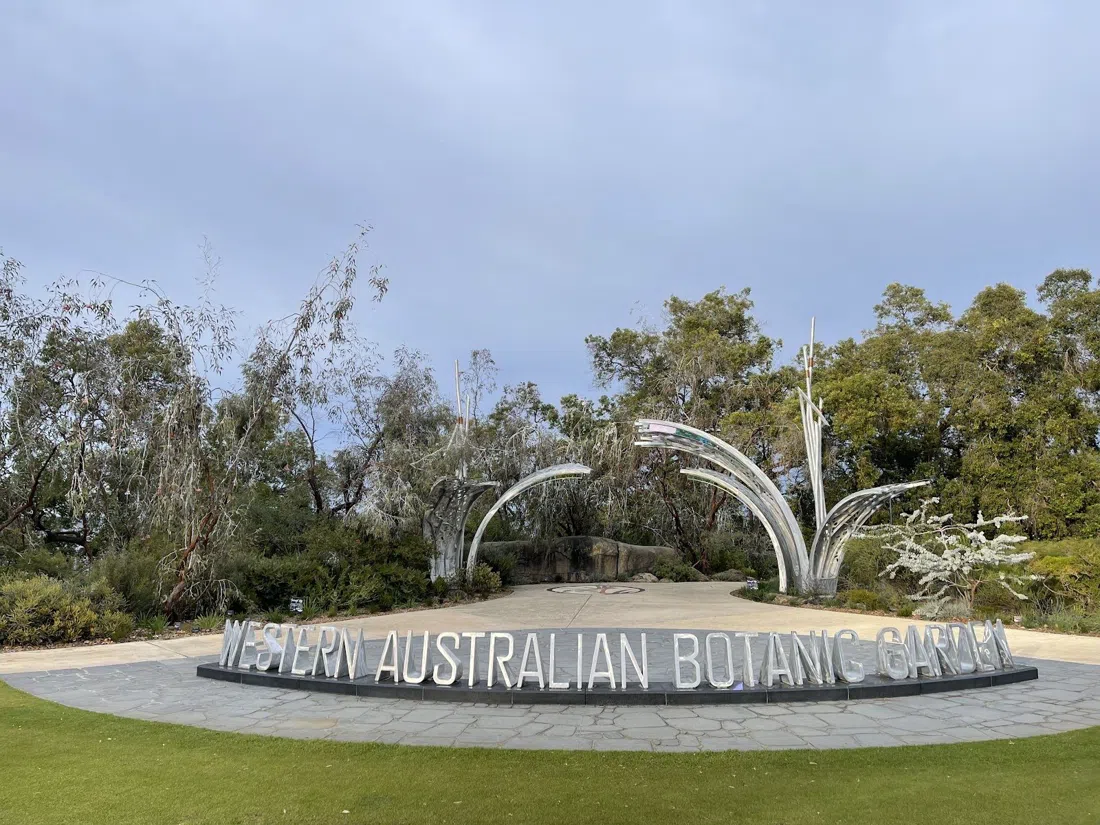
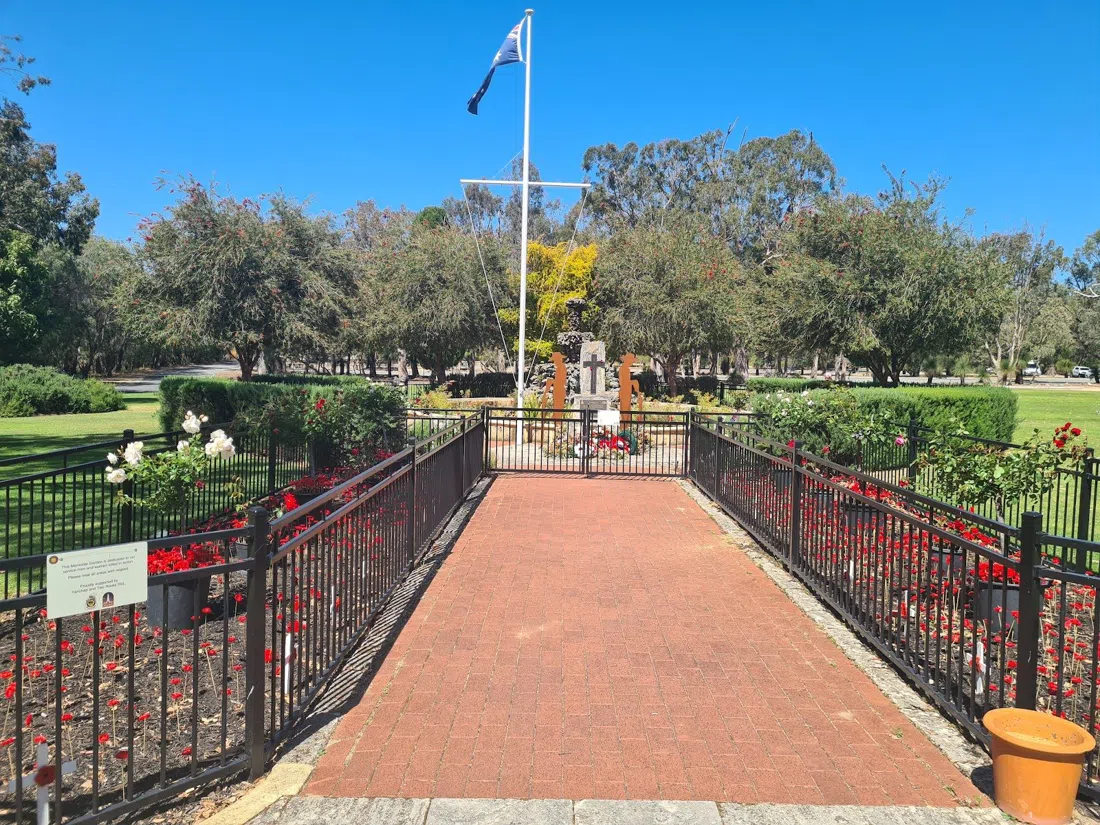
Kings Park & Botanic Garden, on the escarpment above the Swan River on the western edge of the CBD, is the obvious anchor for this trip, and it has its own free, self-guided answer to the six-season question: the Boodja Gnarning Walk, an Aboriginal heritage nature trail woven through the park's bushland with interpretive markers tied to each season. There's no booking and no fee, and it suits a solo traveller with an hour to spare as easily as a family group — walk it once in Makuru's wet green and once in Bunuru's dry heat and you'll understand the calendar better than any single explanation could manage.
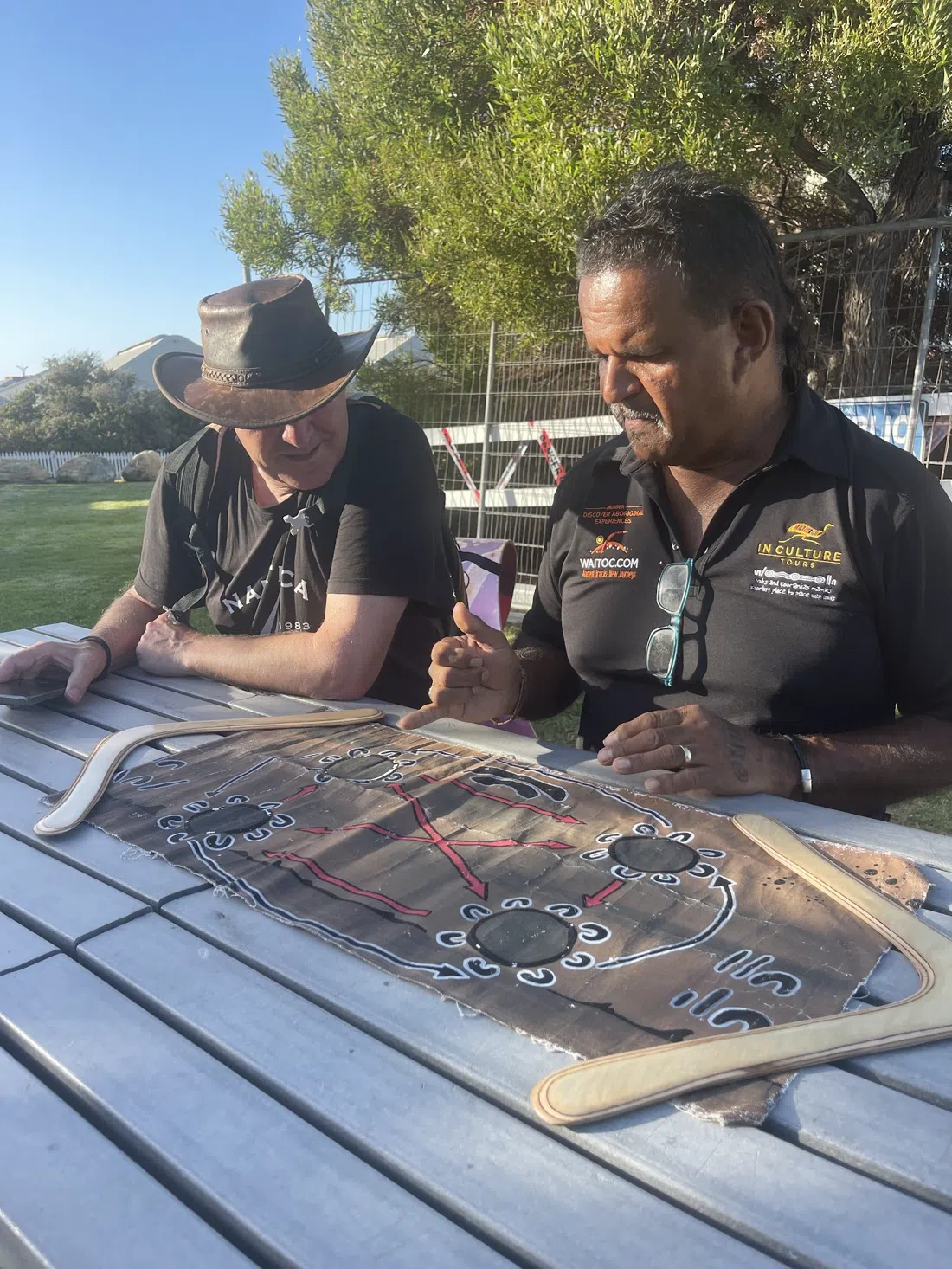
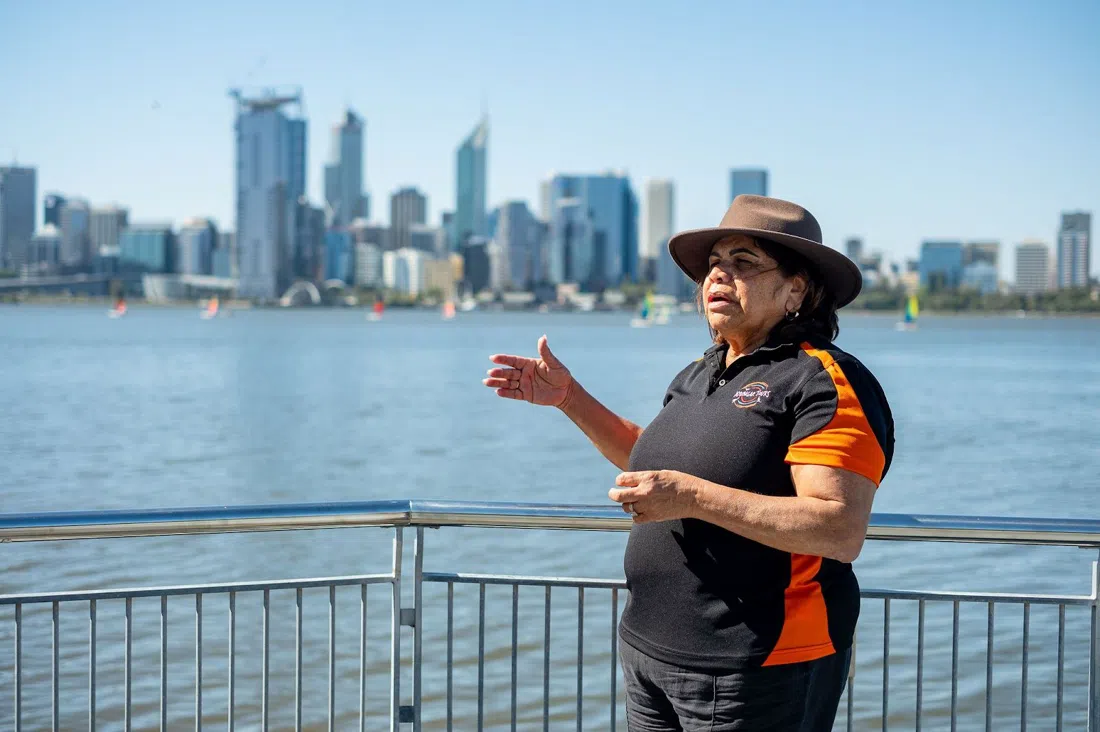
For a guided reading of the same country, three independent Aboriginal-owned or -led operators run walks through Kings Park, and it's worth knowing the differences before you book, because they're genuinely separate businesses rather than variations on one script. Go Cultural Aboriginal Tours & Experiences runs the Karrgatup tour, a 90-minute Aboriginal-owned-and-operated walk that takes groups up to 30 and needs booking in advance through Rezdy — this is the strongest single voice for hearing the six seasons told as a Noongar guide's own knowledge rather than a plaque. In Culture Tours offers a similar ~90-minute public session, Experience Culture in Kings Park, led by Whadjuk guide Steven Jacobs, with private, corporate and school bookings available by arrangement alongside the public Rezdy slots — a useful second, independent telling if you want to triangulate rather than take one operator's word for it. Nyungar Tours, led by Whadjuk/Ballardong Elder Kerry-Ann Winmar, takes both public and private/group bookings and offers an Elder-led perspective that's worth seeking out specifically for that seniority of knowledge — but the operator is not taking bookings for June–July 2026, so confirm current dates directly before you build a Makuru-season trip around it. None of the three publish flat prices; you'll get the rate when you book.
Food and Medicine, Read Through the Calendar
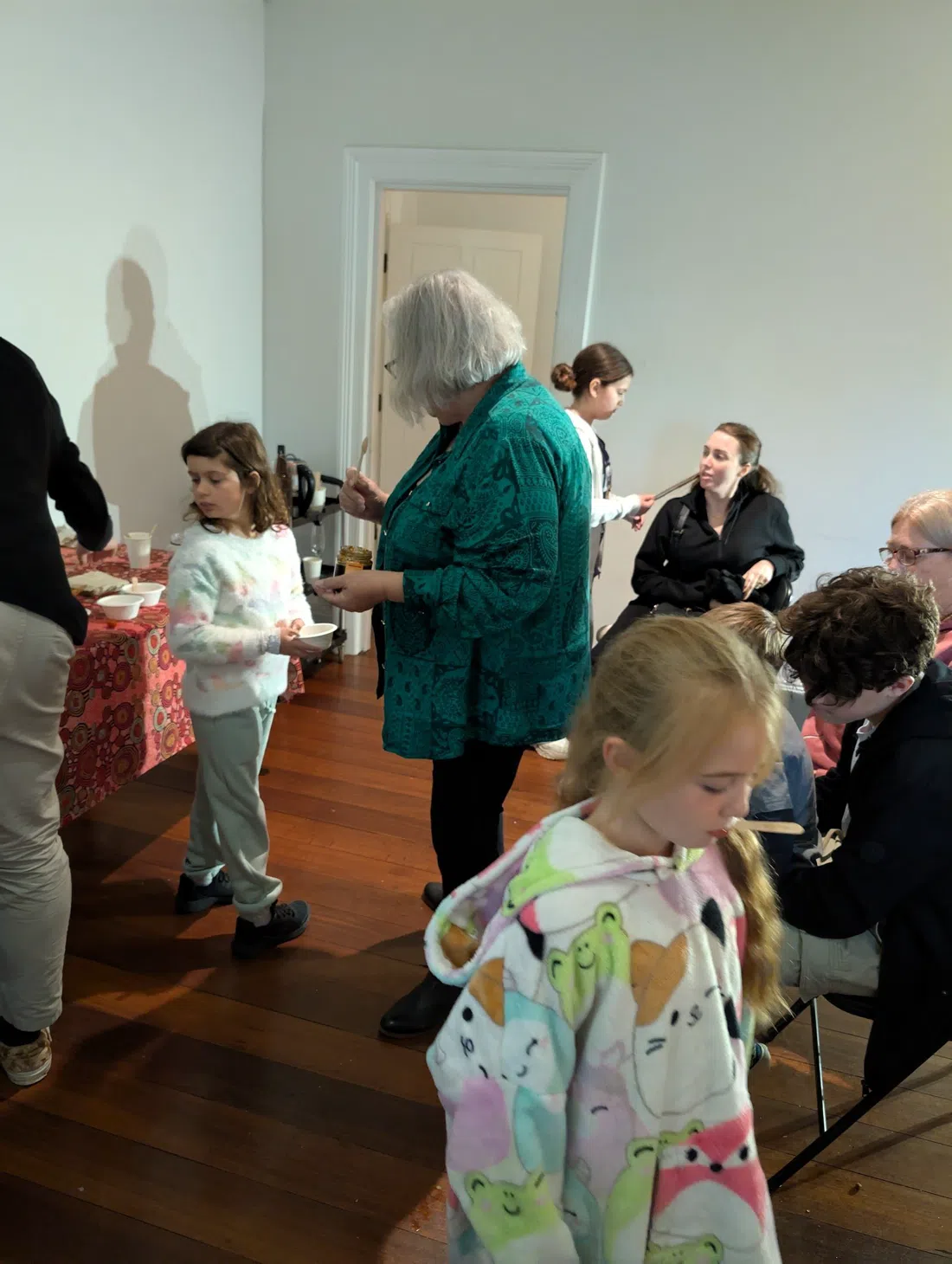
The six seasons aren't just a way of describing weather — they're a food and medicine calendar, and nobody in Perth makes that clearer than Dale Tilbrook Experiences, based in the Swan Valley at Caversham, a roughly 25–30 minute drive north-east of the city centre. Wardandi Bibbulmun educator Dale Tilbrook runs bush-tucker and bush-medicine sessions that explicitly frame what's edible and what's medicinal around which of the six seasons it is — quandong and wattleseed at one point in the year, different roots and barks at another. Sessions welcome school and private groups, but you need to book ahead; there's no walk-up option, and pricing is on request rather than published. This is the piece to add if the Kings Park walks have you interested in the "why now" of Noongar food gathering rather than just the plants themselves.
Wildflowers Without the Coach Parties
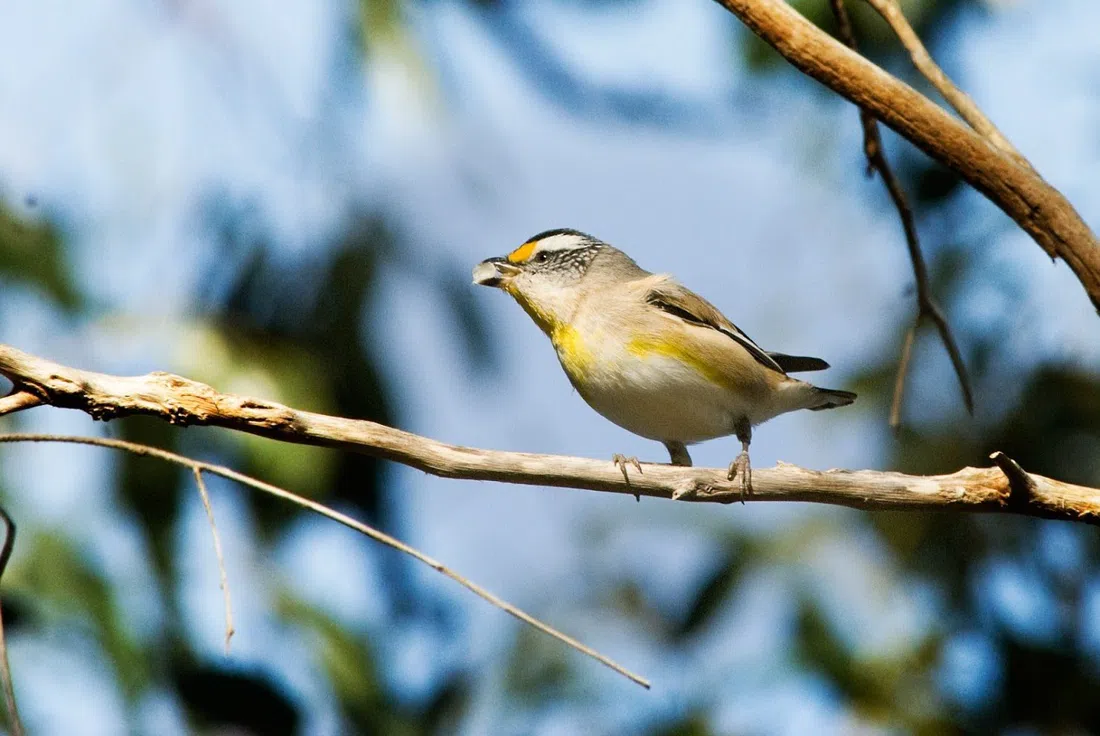
Kings Park's spring wildflower displays get the crowds and the marketing budget; Bold Park guided wildflower walks, in the bushland reserve between City Beach and Floreat, get almost none of either, which is exactly the point. These are free, volunteer-led public walks run through the season, and for parties of five or fewer you don't need to book at all — larger groups should contact Friends of Bold Park Bushland ahead of time. Because the walks are volunteer-led rather than scripted, what you see and hear tracks the actual state of the bush that week rather than a fixed itinerary, which makes Bold Park the cheapest, most honest way to watch Djilba's first wattle give way to Kambarang's full wildflower peak without paying for the privilege or fighting for parking.
Wetlands That Change Season by Season
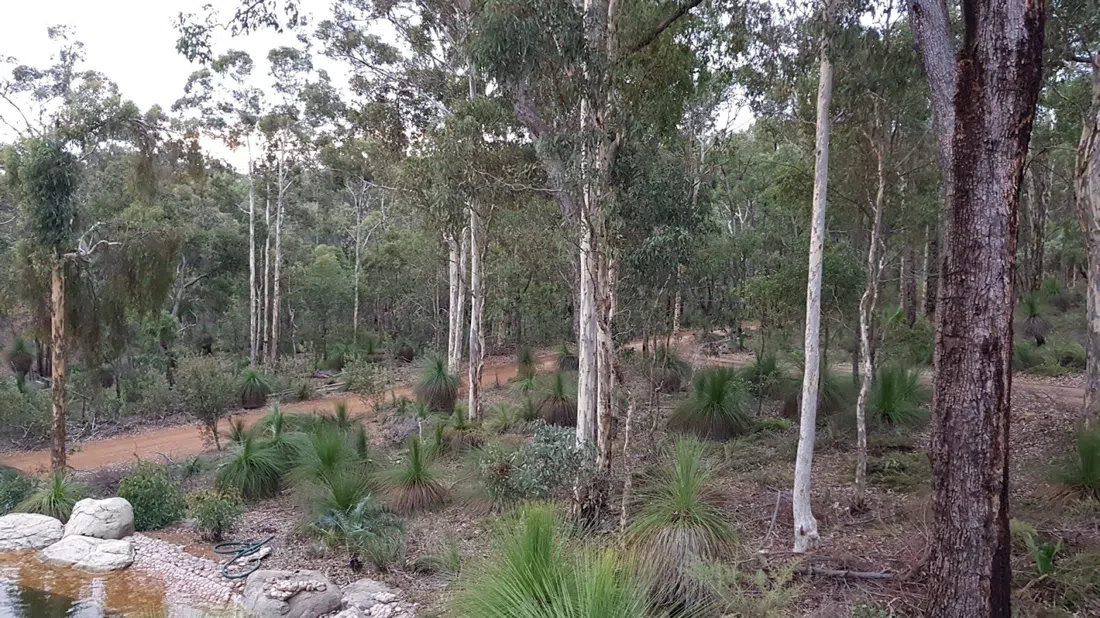
Whiteman Park, on the Swan Valley's western edge near Caversham and Midland, is large enough to show the seasonal contrast within a single free park: Horse Swamp turns genuinely wet through Djeran and Makuru, while the Wununga banksia trail nearby stays dry scrub even in the same months. Entry and the self-guided trails are free and suit any group size; there's also a guided Whiteman Explorer tour on Monday mornings and early afternoons (11am and 1pm) if you'd rather have someone point out what's changed, priced separately from the free park entry.
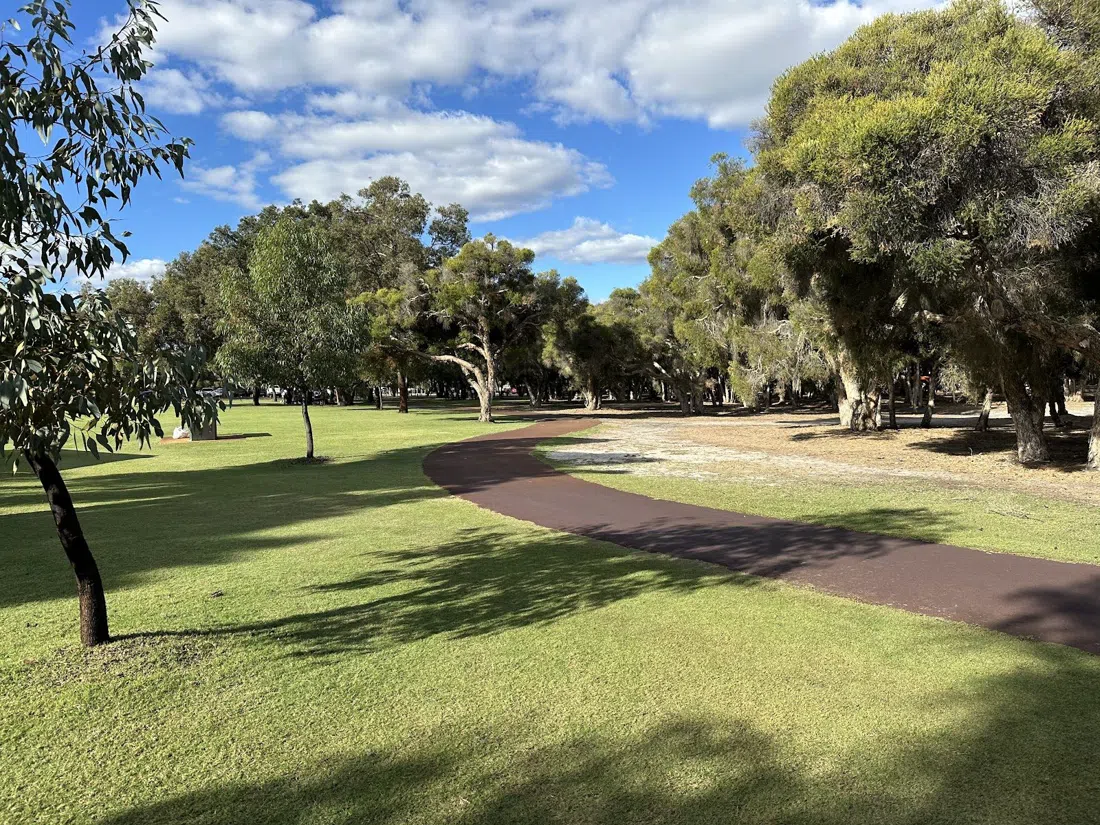
Closer to the city, Herdsman Lake Regional Park & Wildlife Centre, in the inner north-western suburb of Herdsman, does the same job on a smaller scale and without a car. The boardwalk trail is free for any group, and it's the easiest place in Perth to watch Djeran and Makuru's waterbird migration arrive without leaving the suburbs — bring binoculars if you have them. The Discovery Centre itself only opens Saturdays, 9am–2pm, for a $5 entry fee, and BirdLife WA runs a free public group birdwalk on the third Saturday of each month if you want a guide rather than a self-directed loop.
Waterfalls That Only Run Half the Year
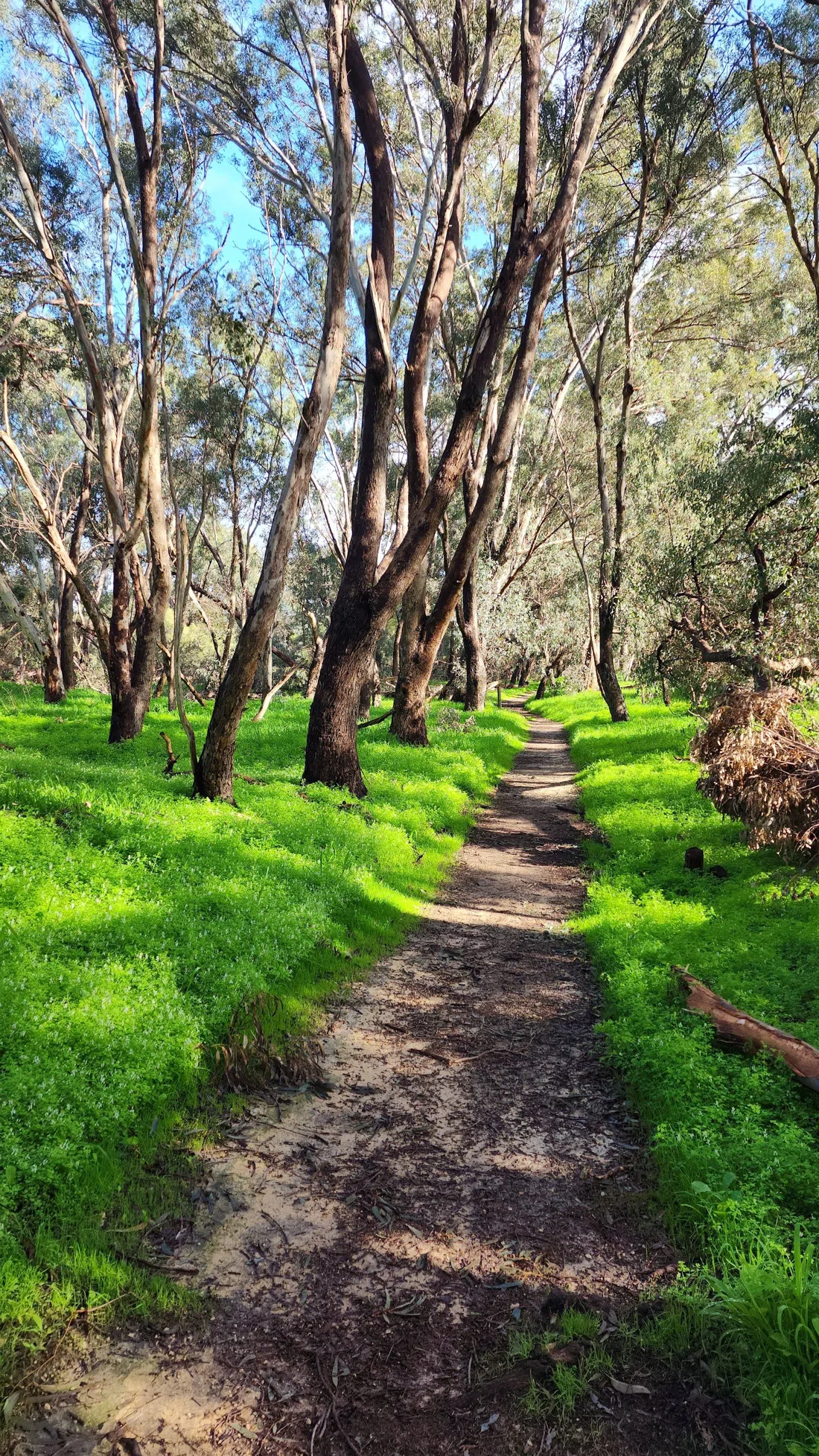
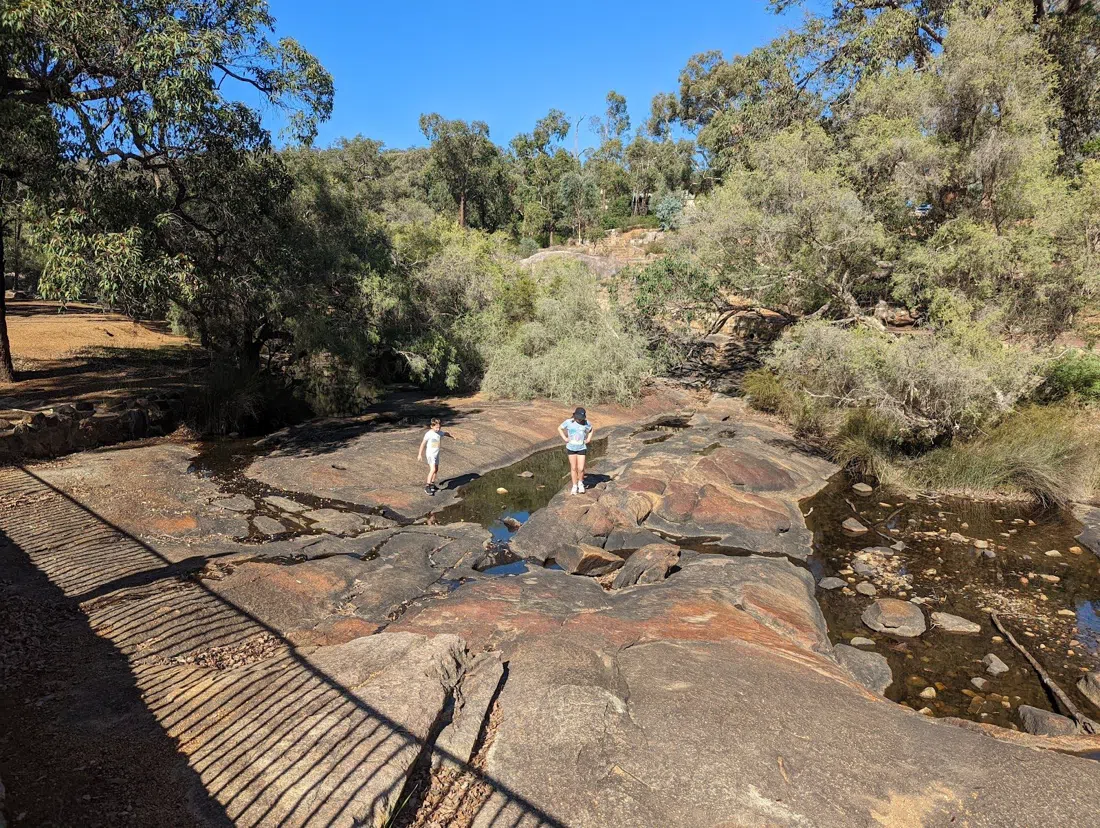
John Forrest National Park, in the Perth Hills near Darlington and Glen Forrest, is Western Australia's oldest national park, and it has the single most concrete, checkable seasonal hook on this list: its waterfalls only run in Makuru and Djilba, fed by the winter rains, and they're dry the rest of the year. If a waterfall photo is the point of the visit, June through September is not optional — go in Bunuru and you'll find a scenic dry gully instead. The self-guided trails suit any group size, and standard WA Parks day-use entry or pass conditions apply, so check the current fee before you go rather than assuming free entry.
Further Afield: A National Park and a Sanctuary
Two further stops extend the six-season idea beyond Kings Park and the inner hills, at the cost of a longer drive and, in one case, a real price tag. Yanchep National Park, in Perth's northern coastal suburbs, runs a Wangi Mia Aboriginal Cultural Experience — but the public sessions are genuinely limited, Sundays and public holidays only, at 2pm and 3pm. Private or group bookings can be arranged for other times, and groups over 20 are accommodated, but if you're planning around a public session, build the trip around that Sunday slot rather than assuming daily availability. Pricing starts from AUD $16 for an adult, $8 for a child aged 6–14 and $12 concession, on top of standard park entry.
Karakamia Wildlife Sanctuary, run by the Australian Wildlife Conservancy about 4km from Chidlow in the Darling Range roughly 50km north-east of Perth, is the premium add-on on this list, not a core stop: it's guided-only, with no unescorted entry, and you book a scheduled spotlighting tour in advance to see nocturnal animals — woylies, quenda, brushtail possums — whose activity patterns shift with the same seasonal calendar covered everywhere else on this route. It isn't cheap: from AUD $100 for an adult and AUD $240 for a family of two adults and two children aged eight or over. Worth it if you want to see the seasonal calendar acted out by animals after dark rather than read off plants; skip it if the budget's tight, since everything else on this list is free or low-cost.
One Cultivated Counterpoint
Araluen Botanic Park, in the hills suburb of Roleystone, is worth naming honestly as what it is: a cultivated, non-Noongar garden, not a bushland site. It's ticketed self-guided entry, with group visits by phoning ahead, and current prices are on the park's own "Buy Tickets" page rather than fixed here. Include it only as a minor contrast stop if you want to see how Djeran's colour change and Djilba's first blossom read in a planted European-style garden versus native bush — it's not a substitute for the jarrah forest and wetland stops above, and shouldn't be the centrepiece of the trip.
Planning the Trip
Transport: Kings Park, Bold Park and Herdsman Lake are all reachable by public transport and a short walk or bus ride from central Perth; everywhere else on this list — Whiteman Park, John Forrest, Yanchep, Karakamia, Araluen, Dale Tilbrook's Swan Valley base — needs a hire car or a tour transfer, since Perth's train network doesn't reach the hills or the northern national parks directly. If you're basing yourself centrally for the Kings Park and inner-suburb stops, Perth hotel search covers the city-centre options within walking distance of the park.
Cash: most of this route is free — Kings Park's self-guided trail, Bold Park's walks, Whiteman Park and Herdsman Lake's boardwalks all cost nothing. Where you do pay, cards are accepted everywhere; there's no need to carry cash specifically for any of these venues.
Timing: this is the one trip in Perth genuinely worth planning around the season rather than around it. Chase Makuru (June–July) for John Forrest's waterfalls and the wetlands at their fullest; chase Kambarang (October–November) for Bold Park and Kings Park at wildflower peak; avoid expecting waterfalls in Bunuru (February–March), when the hills run dry.
Budget: a day built around Kings Park's Boodja Gnarning Walk, Bold Park and Herdsman Lake costs nothing beyond transport. Add one guided Kings Park tour (price on booking) and Dale Tilbrook's bush-tucker experience (price on request) for a half-day with real depth, and treat Karakamia's from-AUD-$100 spotlighting tour as the optional splurge rather than a default inclusion.